
On this page
AI Agent Development Cost in New Zealand: A 2026 NZD Budget Guide
For a New Zealand business, the cost of an AI agent depends on the job it does, the systems it connects to (often Xero and a CRM) and what it costs to run after launch. Published 2026 estimates from international vendors, all in USD, put a single-purpose agent at roughly US$5,000 to US$50,000 and multi-step systems at US$25,000 to US$100,000 or more. Treat those as a rough frame, then ask for an NZD quote, with GST stated, based on your own scope.
This guide covers the parts that are specific to New Zealand: NZD and GST on quotes, the Privacy Act 2020 (including IPP 3A, in force from 1 May 2026), Xero and HubSpot integrations, and choosing between NZ, offshore and hybrid vendors. For the shared basics, such as what drives agent cost in general, see our global AI agent cost comparison.
What the published estimates say
The ranges below come from vendor guides that sell development (listed under Sources). They are not New Zealand market data, and we have not converted them to NZD because exchange rates move.
| Agent type | Published estimate (USD) | NZ example |
|---|---|---|
| Prototype | US$10,000 to US$30,000 | Answers questions from your website content |
| Single-purpose agent | US$5,000 to US$50,000 | Handles common customer enquiries, or qualifies leads |
| Multi-step or multi-agent | US$25,000 to US$100,000+ | Reads email, checks Xero, updates your CRM |
The same sources put annual maintenance at about 15 to 30% of the build, with model, API and hosting costs on top. Ask every vendor for a first-year running estimate beside the build price. If they cannot give one, that is a warning sign.
A quick sanity check on any quote: people × working days × day rate + third-party costs + contingency. As a made-up example, two engineers for 8 weeks is about 80 person-days; at a hypothetical NZ$600 a day that is NZ$48,000 before contingency. Swap in the vendor's real figures and see whether the total hangs together.
Working on something like this? Talk it through with the team that builds it.
Privacy Act 2020 and overseas AI providers
Most AI models run offshore, so your customers' information may leave New Zealand each time the agent runs. Under the Privacy Act 2020 you remain responsible for personal information you collect, including when a provider processes it for you. Raise these with your legal adviser and your vendor:
- What personal information reaches the model. Names and identifiers can often be removed before the call.
- Overseas disclosure. The Act's rules on disclosing information overseas apply when you send personal information to a foreign provider.
- IPP 3A. From 1 May 2026, agencies must notify people when they collect personal information indirectly, not from the person themselves. This matters if your agent pulls data about individuals from third-party sources or other systems. See the Ministry of Justice page and Bell Gully's summary.
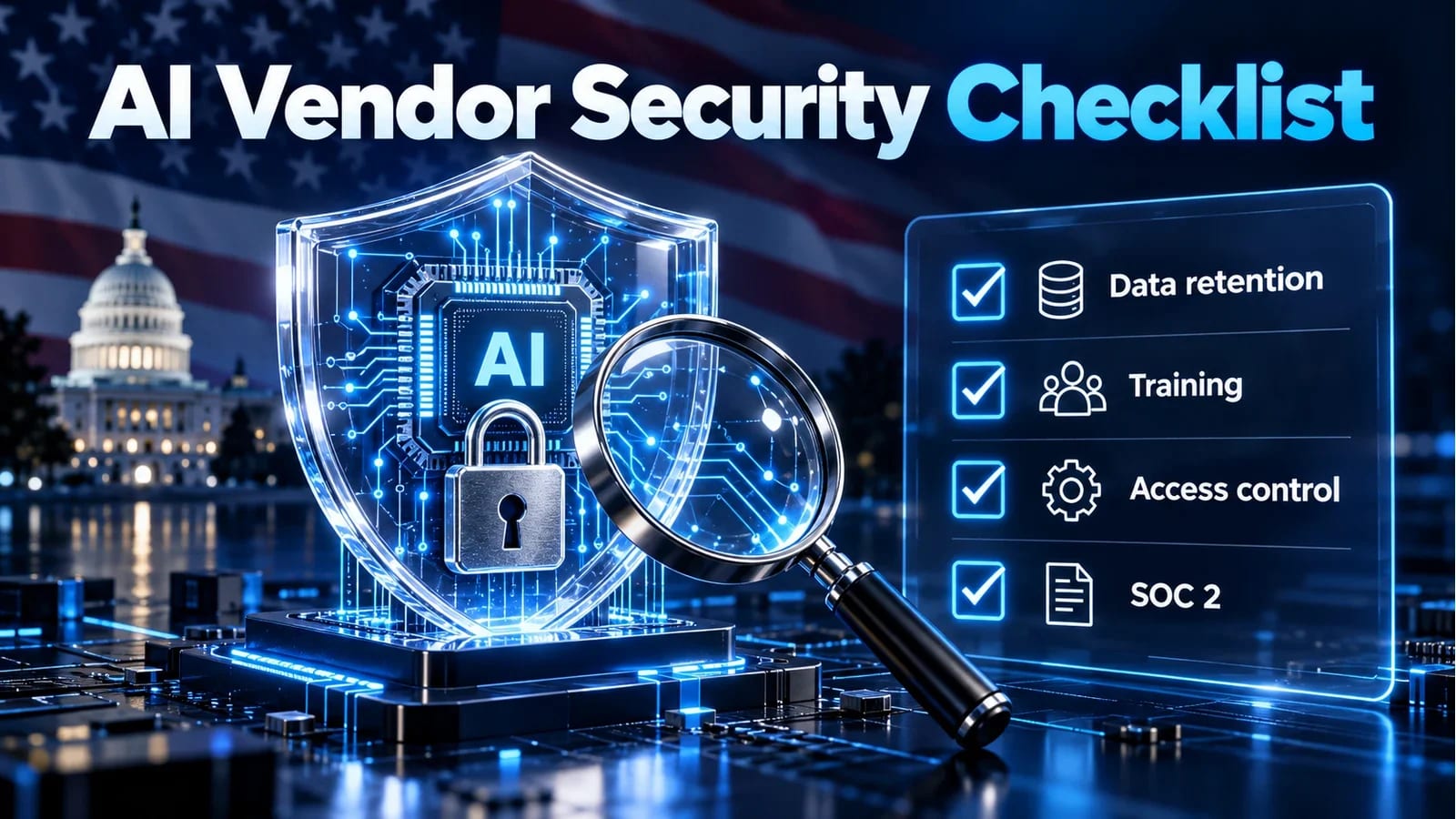
- Provider terms. Logging, retention, and whether your inputs are used for training.
- Access control. The agent should retrieve only what the signed-in user may see.
None of this is a reason to avoid AI. It is a reason to map data flows before scoping. Our guide to compliant and secure AI systems goes further.
Xero, HubSpot and other integrations
For many NZ businesses the value of an agent comes from connecting it to tools already in use: Xero (invoices, contacts), HubSpot (leads, deals), email, calendars, Shopify and a helpdesk. Each integration needs authentication, error handling and testing, and each adds to the build budget. A read-only Xero lookup ("has this customer paid?") is a much smaller job than an agent that creates or edits invoices, because writes need approval steps and audit trails.
Ask whether the vendor has built against these systems before. Our AI automation for small businesses in New Zealand guide covers where integration tends to pay off.
NZ, offshore or hybrid vendors
| Option | Strengths | Watch for |
|---|---|---|
| NZ-based agency | Same time zone, local knowledge | Higher day rates, smaller teams |
| Offshore agency | Lower rates, larger teams | Time zone gaps, vague scope |
| Hybrid (NZ-registered, remote engineering) | NZ contract and NZD invoicing with offshore build capacity | Who the named lead is, how often you see demos |
To be transparent about where we sit: Futurise is registered in Wellington with its engineering team in India, working remotely with clients in NZ and elsewhere. See our New Zealand page and AI SaaS development for NZ.
How to decide
- Pick one workflow with clear volume, such as repeated customer questions or lead triage.
- Estimate payback yourself: monthly hours saved × loaded hourly cost, against build plus 12 months of running cost. If it only works on optimistic assumptions, run a smaller first release.
- Decide what the agent can do alone and what needs human approval.
- Ask for NZD quotes with GST stated, split by phase, plus the running-cost estimate.
- Compare fixed scope (suits a defined first release) with time and materials (suits exploration). We quote fixed scope after a free discovery call.
- Ask for proof of similar work, such as our AI support agent case study, where the agent hands off to a human when its confidence is low.
Red flags: a firm price before anyone asked about your data, return promises with no method, no testing plan, and vague answers about where data is processed.
Frequently asked questions
Is there an NZ-specific average price for an AI agent?
No reliable one. The published figures are USD estimates from vendors. Get NZD quotes with GST stated and compare them against your own scope.
Does the Privacy Act 2020 apply to an AI agent?
Yes, if the agent handles personal information. You remain responsible when it is sent to an overseas provider. Check the details with your legal adviser.
How long does it take to build one?
A focused single-purpose agent often takes several weeks to a few months. Our MVPs usually take 6 to 12 weeks, and larger platforms 3 to 6 months.
Sources
- Vendor cost estimates (USD; vendor-published): Kellton, aichat, SoluLab, Cleveroad
- IPP 3A: Ministry of Justice, Bell Gully
If you are planning an AI agent in New Zealand, book a free discovery call and we will scope it against your data and tools, then give you a fixed-scope quote in NZD.
Written by the Futurise Solutions team. We use AI tools to help with research and drafting; our team edits each article and checks figures and regulatory details against the sources linked in it. Spotted something wrong? Email us.